

Photo by Elaine Collins

Audio By Carbonatix
Keep Westword Free
We’re $1,500 away from our spring campaign goal!
We’re aiming to raise $20,000. Your support ensures Westword can continue watching out for you and our community. No paywall. Always accessible. Daily online and weekly in print.
Wildflower trails are beginning to bloom, making now the perfect time to sharpen your identification skills. Thousands of species grow across the state, so start with common varieties like lupines, paintbrushes and alpine sunflowers.
For this list, naturalist Ella Garner shares several others you’ll likely see this summer. Join her for a guided hike during Breckenridge Wildflower Week, happening from July 2 to 12, or follow her tips to find these blossoms on your own.
Garner explains that peak viewing is often based on elevation and latitude, with southern regions flowering first. For example, columbines in the San Juans are currently in full bloom, but those at the same elevation in Summit County won’t emerge until early July. The flowers listed below are ordered chronologically based on when they bloom in Breckenridge.
Curious about other wildflowers? Garner recommends purchasing a regional or state-specific field guide and downloading the free Seek app, which allows you to identify flora and fauna with a phone camera. But before you dig too deep, here’s an intro to Colorado’s diverse blooms.
Note: Always practice leave no trace when exploring the outdoors. Never pick the wildflowers; only photograph them from the designated trail and be a good steward.
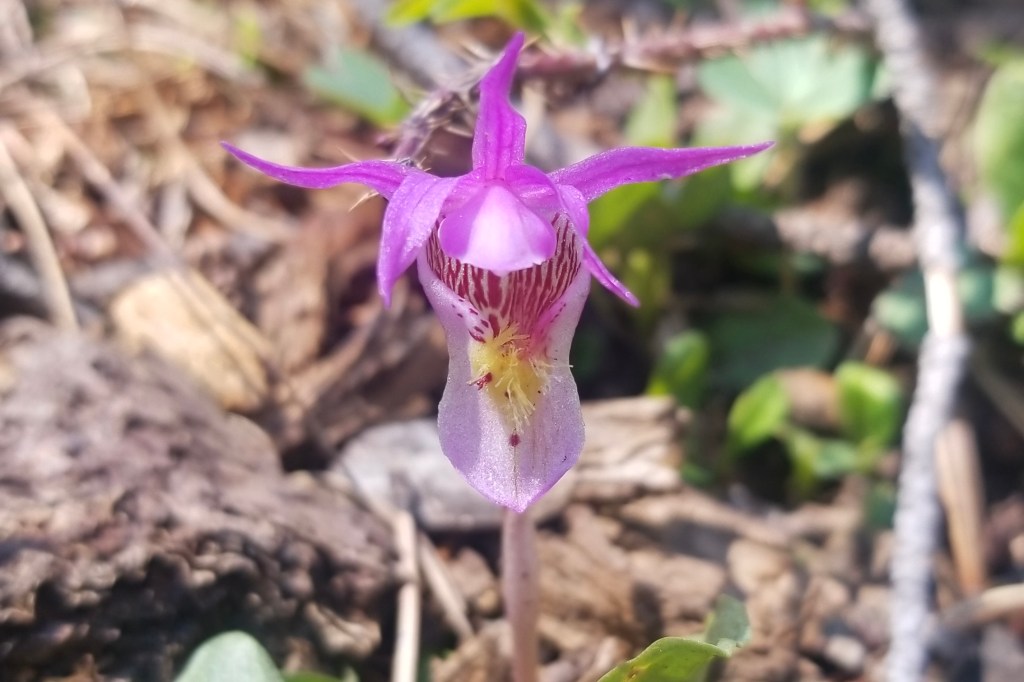
Photo by Ella Garner
Fairy Slipper Orchid (Calypso bulbosa)
With its unique shape and vivid magenta hue, Garner says that this is one of the most easily identifiable orchids in the state. While common in shady and moist habitats, they can be tricky to spot amid other forest vegetation. These delicate plants generally reach no more than eight inches tall and while Fairy Slipper Orchids sometimes appear as clusters, they often grow alone. Their blooming window is short, usually lasting from mid-May to mid-June.
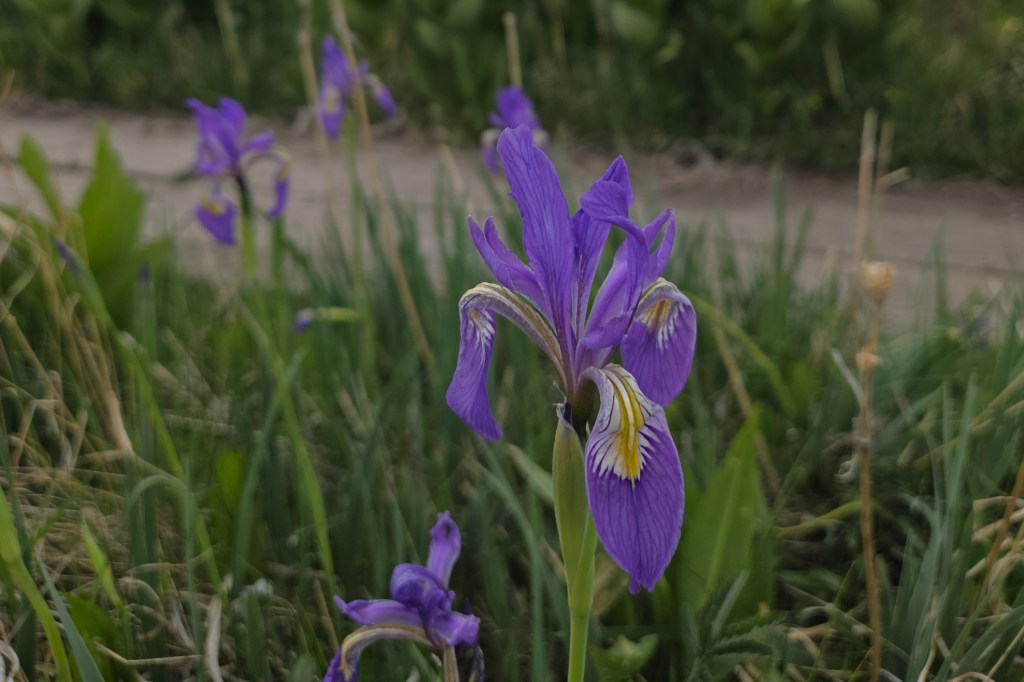
Photo by Ella Garner
Western Blue Flag Iris (Iris missouriensis)
Standing up to two feet high, the slender stems of this common species produce one to four flowers each. Petals are purple, indigo and occasionally white with bright yellow veins known as nectar guides, which lead bumble bees and other pollinators to a sweet snack. Garner says that these early bloomers are commonly planted in gardens, but are also native and grow in the wild. Look for them in meadows, especially along creek beds where it’s damp.
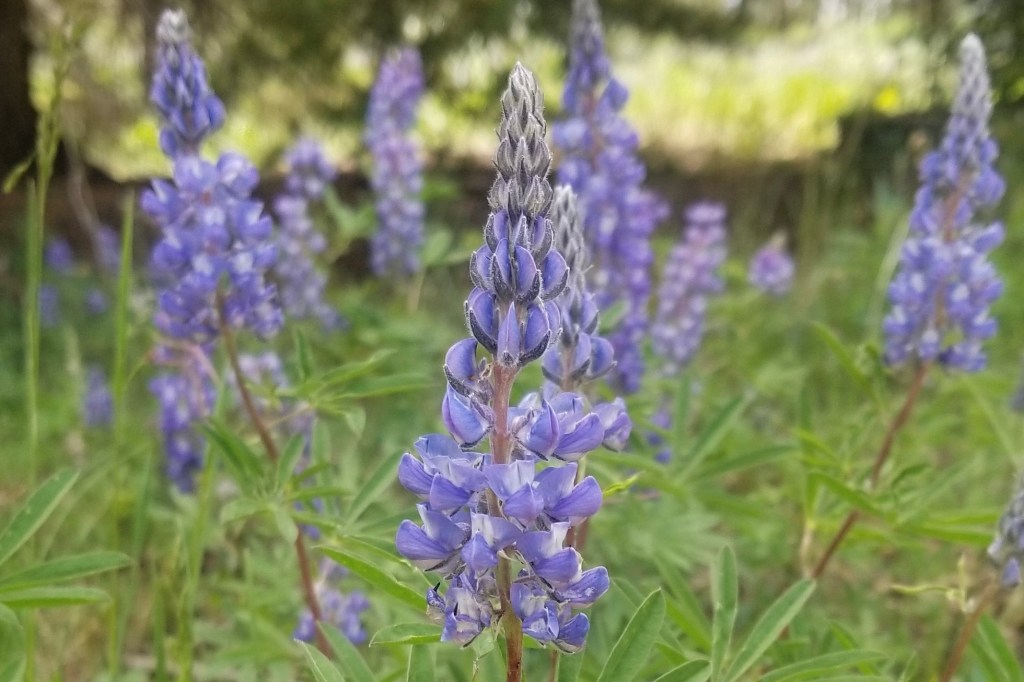
Photo by Ella Garner
Silvery Lupine (Lupinus argenteus)
Colonies of Silvery Lupine grow throughout the western region, and Garner believes this may be the most common wildflower in the state. Silver-green leaves fan out from one or several branched stems, and near the top of the plant, violet blossoms cluster into a spike. This fast-growing species can measure up to two feet tall and is resilient in many soil types. Find these wildflowers along streams, wooded areas, rocky plains and even dry roadsides.

Photo by Jace Koenig / Breckenridge Tourism Office
Blue Columbine (Aquilegia coerulea)
Famously the official state flower of Colorado, this one is easy to identify with five white petals and violet, lavender or blue sepals. Spurs extend from the sepals and appear similar to talons — hence “aquila” in its genus name, which translates from Latin to “eagle.” Blue Columbines can grow up to two and a half feet tall, rising from dense light-green foliage. They like to grow in aspen groves, subalpine meadows and rocky talus slopes.
PhotoElla Garner
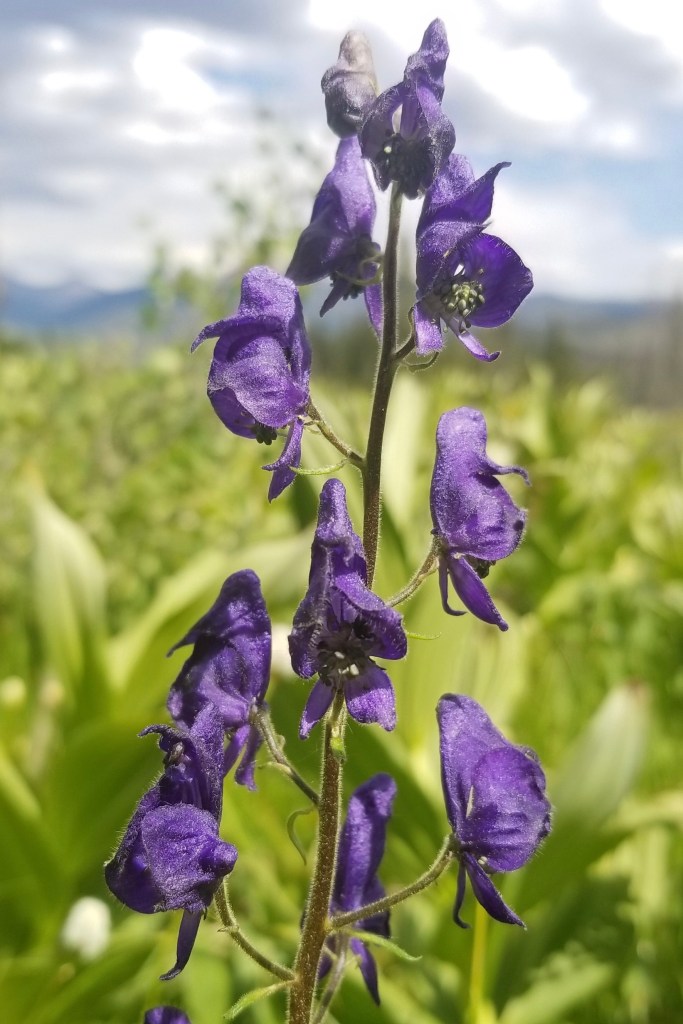
Monkshood (Aconitum napellus)
Because of similar appearances and the fact that they often grow side-by-side in moist woodlands, this species is often confused with Subalpine Larkspur — but make no mistake. Monkshood is one of the state’s most poisonous wildflowers. Garner cautions never to touch or eat this plant, as it contains dangerous neuro- and cardiotoxins; keep your pets away, too. Rising from palm-like leaves, its thin stems grow up to five feet tall and feature numerous flowers with five deep purple sepals. The upper sepal creates an unusual hood shape.
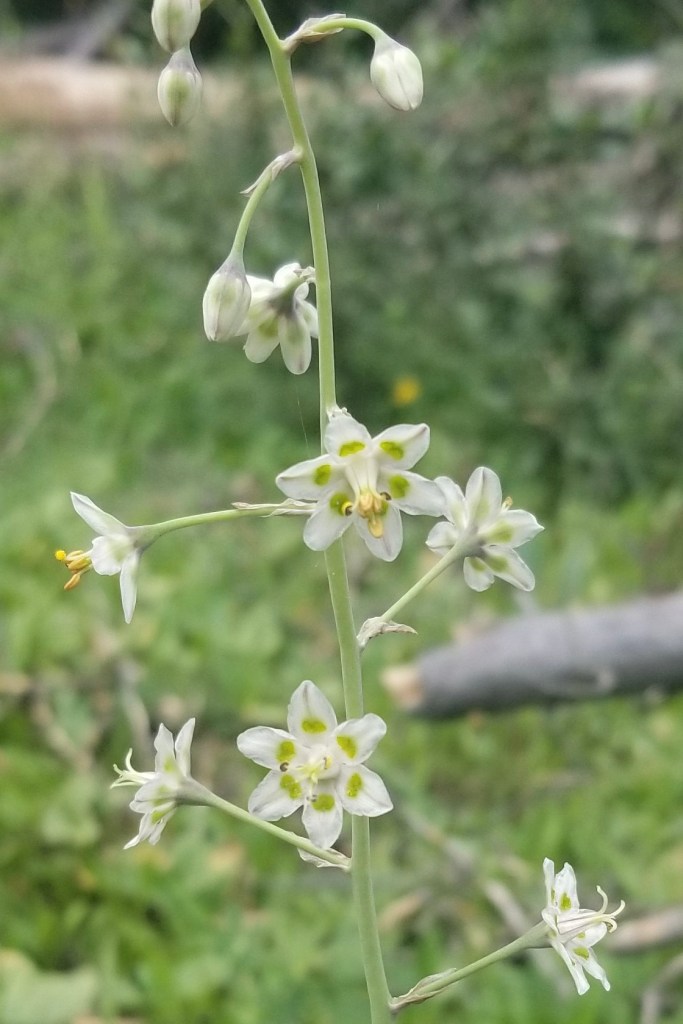
Photo by Ella Garner
Mountain Death Camas (Zigadenus elegans)
Garner also warns of this toxic wildflower, which is one of the most common death camas species in the country. This mountain variety can grow up to two feet tall and features long, grasslike leaves at its base. Thin stems bear short, equal-length stalks from which six-point white flowers bloom. Like all other blossoms you come across, leave it be!
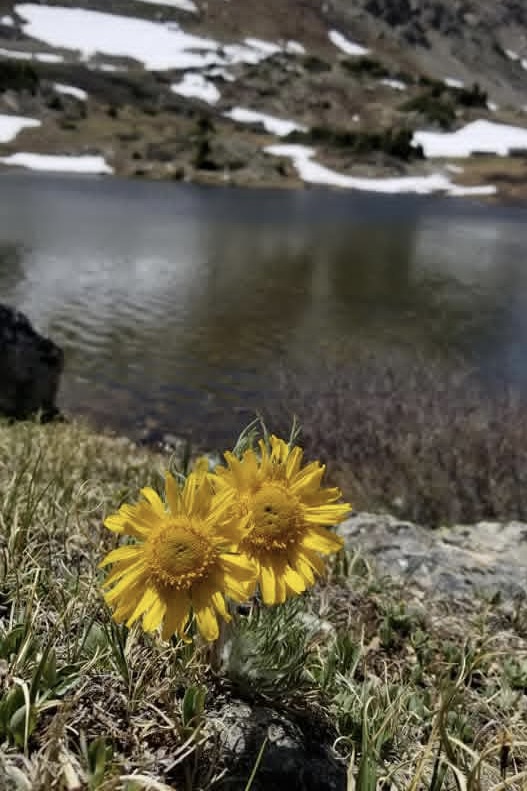
Photo by Ella Garner
Alpine Sunflower (Tetraneuris grandiflora)
Though they only stand a max of ten inches tall, it’s hard to miss these bright yellow blooms when hiking above treeline. Garner notes that this species is one of the largest alpine flowers in the state. Big yellow heads often face east and dwarf their squat stems wrapped in woolly white hairs. These whiskers have earned the sunflower the nickname “Old Man of the Mountain.”
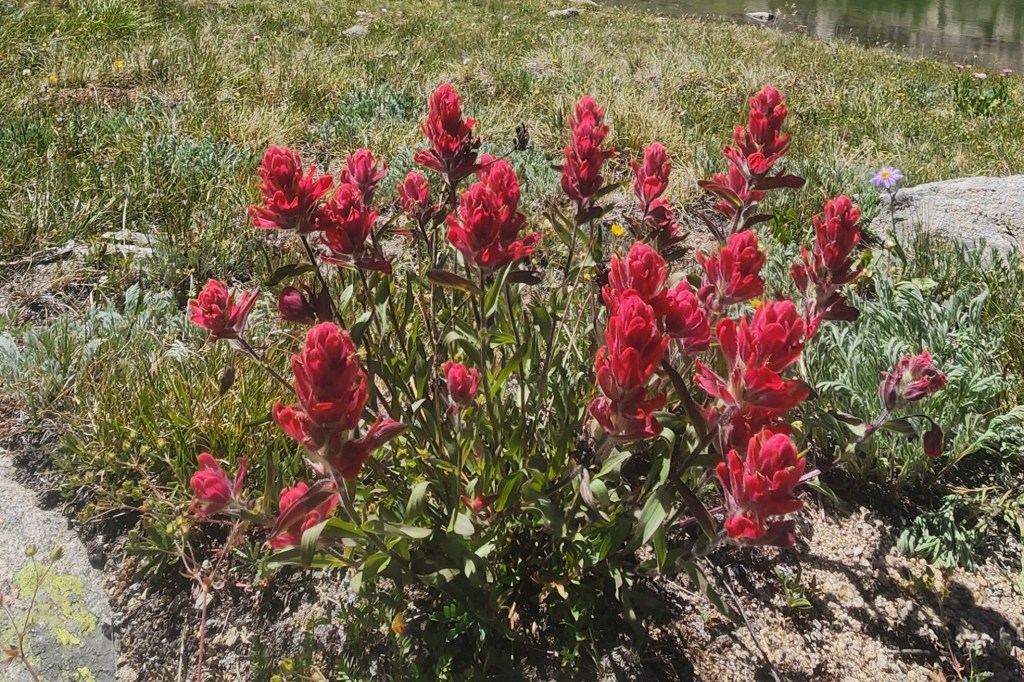
Photo by Ella Garner
Paintbrush (Castilleja coccinea, occidentalis and rhexifolia)
Garner explains that Colorado is home to three common species of paintbrush. Scarlet Indian Paintbrush generally grow from 7,000 to 10,000 feet above sea level and feature red-orange bracts — leaf-like parts which hide small green flowers. Western Yellow Paintbrush appear similar, but its bracts are pale yellow and the plant grows in both subalpine and alpine meadows. Finally, Rosy Paintbrush range between soft pink, magenta and lavender. You’ll find these pretty posies above treeline.
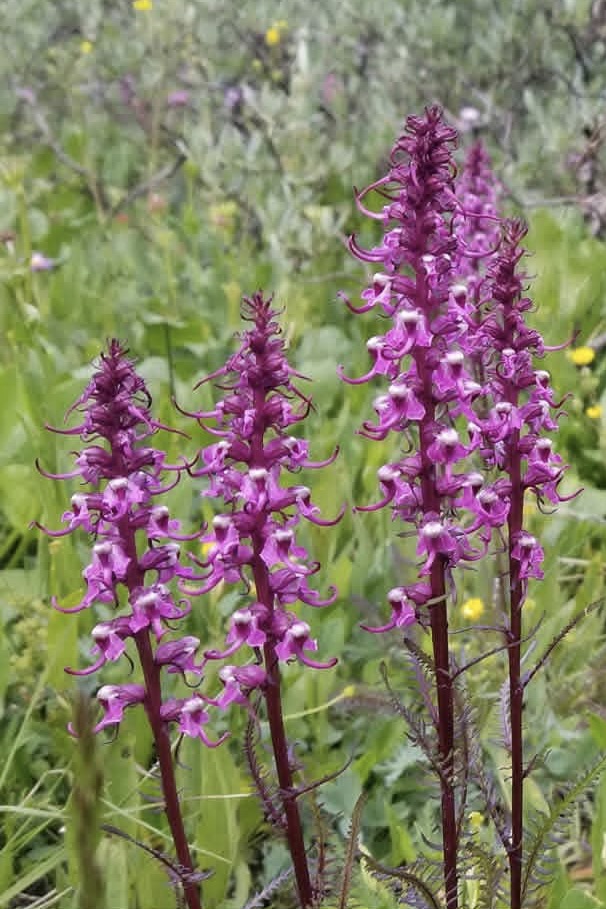
Photo by Ella Garner
Elephant’s Head (Pedicularis groenlandica)
If you come across this whimsical plant, Garner encourages you to take a close look — each flower looks like the head of an elephant with a little pink trunk. Dark stems and fern-like leaves also characterize this species, which can sometimes be found in the thousands near streams and moist subalpine meadows.
Ella Garner
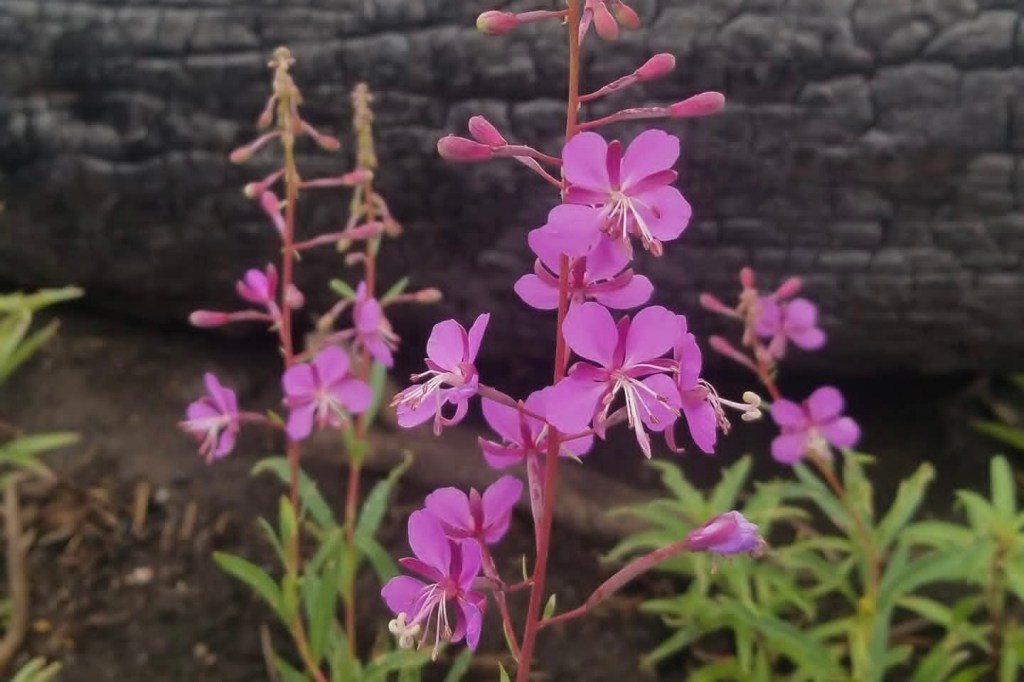
Fireweed (Chamerion angustifolium)
Thick patches of Fireweed thrive in burned areas, making Garner’s personal favorite wildflower easy to spot. This late-bloomer serves as a sign of hope and helps stabilize soil for the regrowth of other plants. Look for narrow green leaves, stems reaching up to six feet high and pink-purple flowers with four petals.