
Michael DeMocker / NASA

Audio By Carbonatix
Keep Westword Free
We’re $1,500 away from our spring campaign goal!
We’re aiming to raise $20,000. Your support ensures Westword can continue watching out for you and our community. No paywall. Always accessible. Daily online and weekly in print.
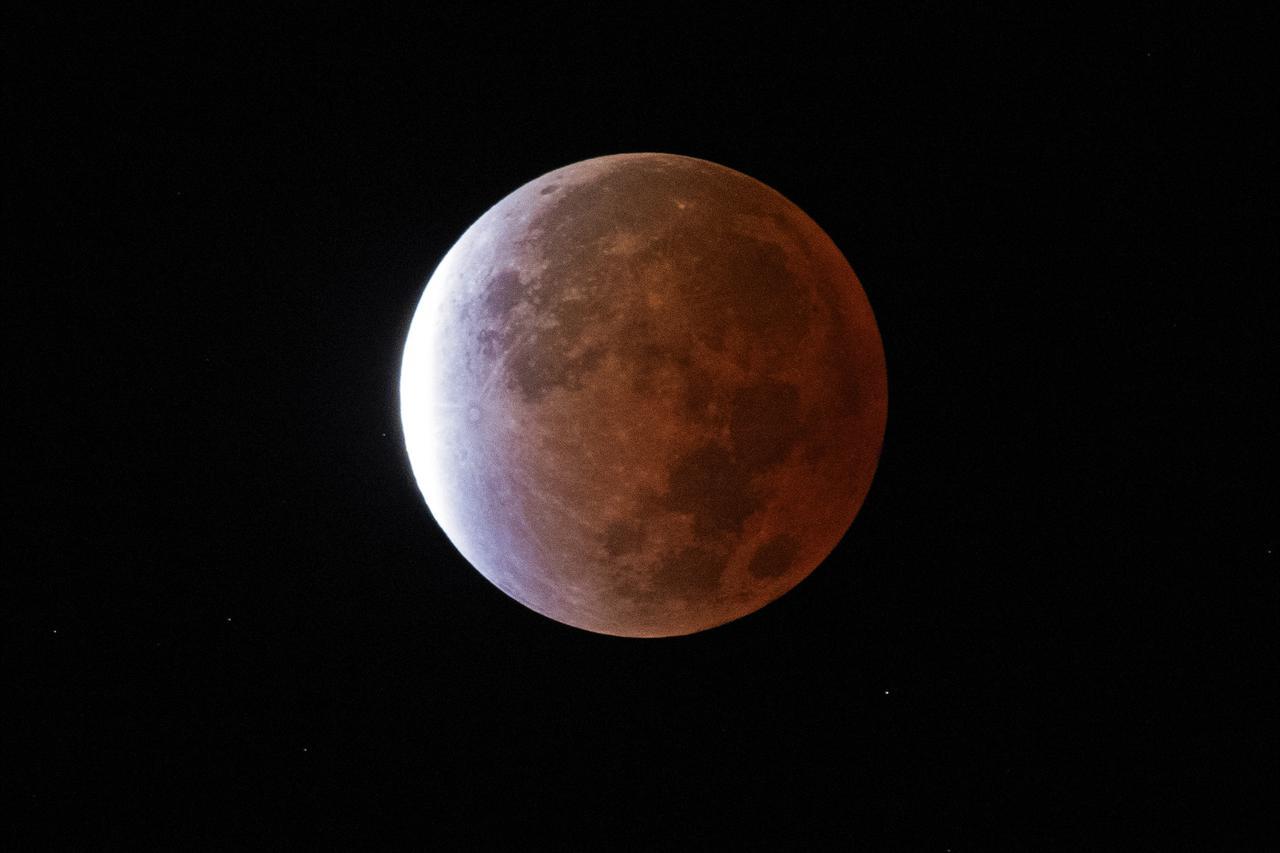
It’s almost time for the first full moon of summer! Traditionally called the Strawberry Full Moon, this moon will appear low in the sky thanks to its occurrence around the Summer Solstice, which was June 21.
Read on for when to see it in Denver, where to look in the sky and why it’s called the Strawberry Moon.
When is the full moon in Denver?
The full moon will rise on the evening of Monday, June 29. Its peak in Denver is around 5:56 p.m., according to time and date, but it will be most visible once it’s dark out. (And even though the Summer Solstice marked the beginning of summer, the amount of daylight will gradually start lessening until the Winter Solstice on Dec. 21.)
Where should I go to see it?
As long as the Denver isn’t too overcast, the moon should be visible anywhere in the city.
Visit Cheesman Park or the Chamberlin Observatory near the University of Denver for prime moonwatching spots.
Why is it called a Strawberry Moon?
While the name suggests a luscious pink moon, June’s full moon won’t share any traits with a strawberry. According to timeanddate.com, June’s full moon is named after the wild strawberries that start to ripen during early summer that Native American tribes used to gather. Other indigenous names for the Strawberry Moon include “Green Corn Moon,” “Berries Ripen Moon” and “Hot Moon.”
What makes June’s full moon special?
This full moon will hang lower in the sky compared to other full moons, since its occurrence is near the summer solstice (June 21), when the sun is at its highest in the sky, and full moons are always opposite the sun. Notably, this year’s Strawberry Moon is one of the lowest moon paths in decades for the Northern Hemisphere, one of the highest in decades for the Southern Hemisphere, according to EarthSky.
June’s full moon is also a micromoon, meaning it’s in a far part of its orbit from Earth.