Evan Semon Photography

Audio By Carbonatix
Keep Westword Free
We’re $1,500 away from our spring campaign goal!
We’re aiming to raise $20,000. Your support ensures Westword can continue watching out for you and our community. No paywall. Always accessible. Daily online and weekly in print.
Gov. Jared Polis signed a bill into law last week that gives Colorado a path to study one of the most promising — and medically risky — psychedelics known to man.
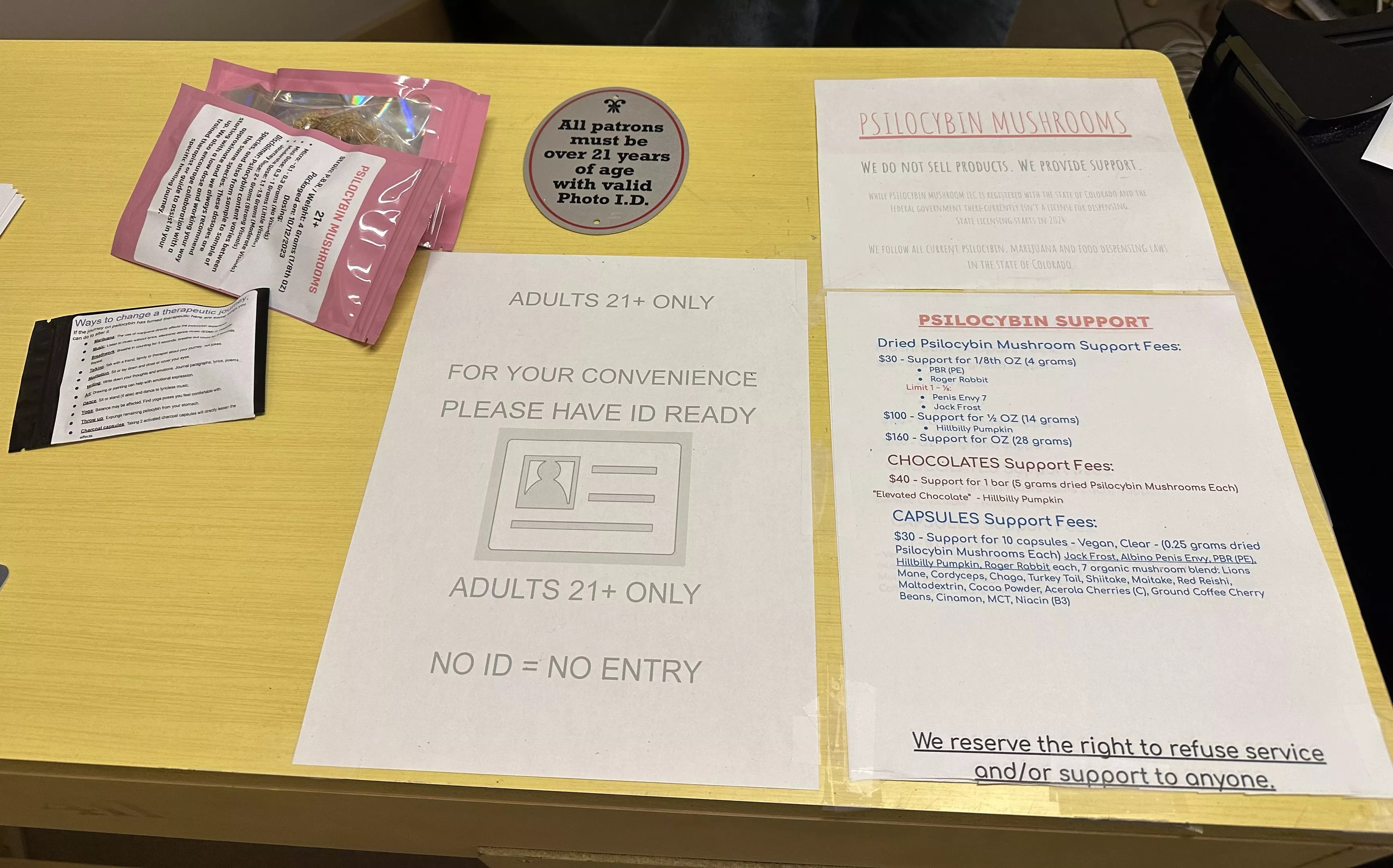
It also gives prosecutors clearer language to go after psilocybin mushroom sales connected to education, harm reduction or membership clubs that have popped up since the state decriminalized certain psychedelics in 2022.
That second part of the legislation wasn’t part of the pitch for House Bill 26-1325, which sponsors framed as help for veterans and others suffering from addiction and PTSD, based on a drug that many people are already leaving the country to try. But by the time the bill reached the governor’s desk, it had become perhaps the most significant rewrite yet of Colorado’s voter-approved natural medicine law, adding new restrictions on advertising, online sales and the gray-market practice of charging for support services while “gifting” psilocybin.
To state Sen. Matt Ball, a veteran and one of the bill’s Democratic sponsors, the distinction is simple: Coloradans “didn’t vote for recreational psilocybin sales.”
To Sean McAllister, a Denver psychedelic attorney whose client has been fighting the state over that precise gray area, the process was anything but simple — or transparent.
“This was all out there as this ibogaine bill,” McAllister says. “At the last minute, they slipped in amendments that significantly modified decriminalization.”
Ibogaine as medicine
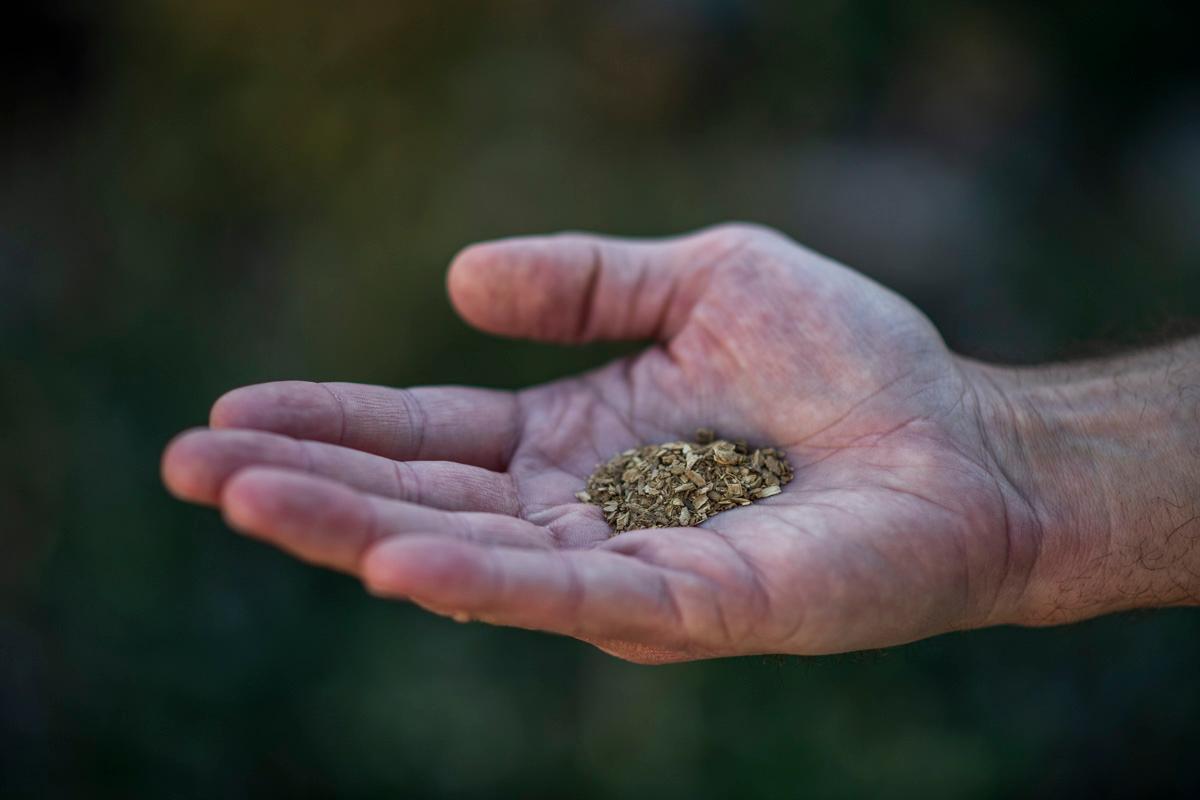
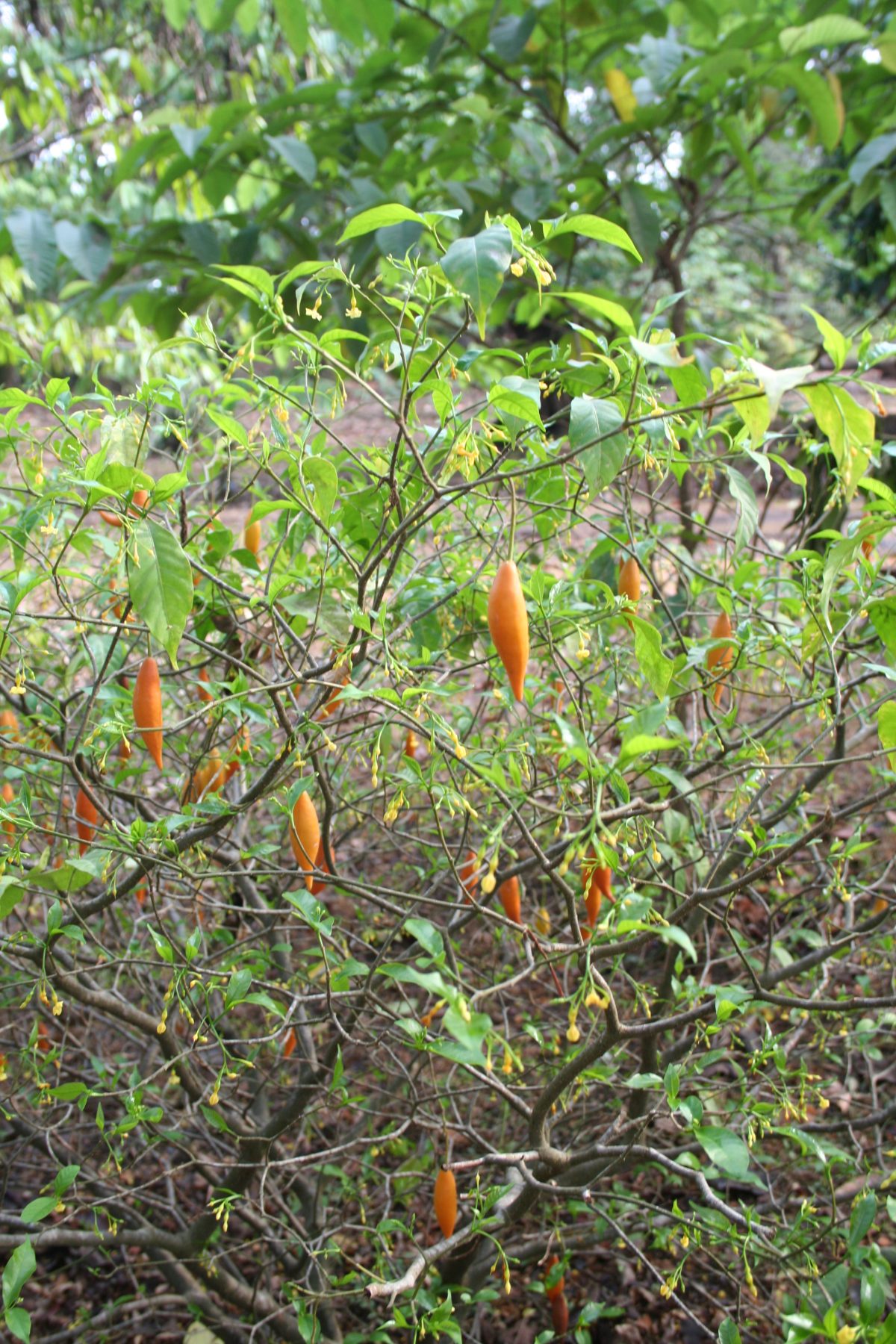
Ibogaine is an extract of the iboga shrub, indigenous to Gabon in Central Africa, where both the plant and its ceremonial use in the Bwiti tradition are protected.
Unlike the other decriminalized psychedelics in Colorado, ibogaine’s use doesn’t really apply to recreational users. It interacts with both opioid and serotonin receptors when ingested, creating an experience that is often uncomfortable for users, but has shown potential in helping treat addiction and other mental health illnesses.
Ibogaine was already moving toward Colorado’s regulated natural medicine system before HB 1325. In September of last year, the state’s Natural Medicine Program Advisory Board voted to recommend therapeutic access to ibogaine, subject to compliance with benefit-sharing standards tied to the Nagoya Protocol, an international agreement meant to protect Indigenous knowledge and genetic resources.
HB 1325 creates an ibogaine research pilot program inside the Colorado Behavioral Health Administration (BHA). The state can approve up to five pilot sites to study ibogaine for mental health conditions and substance-use disorders, seek federal authorization, help sites pursue Investigational New Drug (IND) applications with the FDA, negotiate with the DEA and other federal agencies, and collect data from the sites.
The pilot program will not be funded with taxpayer money, according to the bill. Similar to a law passed last year that created a data-gathering program to study public health effects of psilocybin, the ibogaine pilot program depends on gifts, grants, donations or in-kind support, with key sections of the law taking effect only if BHA receives at least $150,000 in funding before January 1, 2028. More money would be needed to adminster the program, as well.
State lawmakers have worried in the past about donations from public institutions that accept taxpayer funds or could have a conflict of interest with ibogaine’s legal progressions. However, state Rep. Lisa Feret, a Jefferson County Democrat, veteran and social worker who sponsored the bill, says the funding requirements were intentional — and necessary.
“Originally, we wanted to explore some state funding options,” Feret tells Westword. “But in conversations with bill sponsors, we all collectively felt that in such a budget crisis year, it wasn’t right to put money towards a pilot when we’re cutting core essential services. I believe that there is a lot of interest in funding veterans’ mental health in the philanthropic side of our community.”
Feret’s sponsorship of the bill grew out of her own personal experiences. She comes from a family with “tremendous mental health and addiction issues,” she says, and service in the military showed her that “addiction and mental health is rampant there, as well.”
“Really, my entire life has been around the issue of mental health and addiction,” she adds.
Feret started learning about ibogaine during interim policy work after Colorado began building out its psilocybin program under Proposition 122, which was approved by voters in 2022. The measure decriminalized personal use of several psychedelics, including psilocybin, psilocin, DMT, mescaline and ibogaine. Prop 122 also legalized the licensed supervised use of psilocybin and psilocin, with the other substances, including ibogaine, to be considered for similar legalization standards by the Colorado Department of Regulatory Agencies.
But ibogaine has been discussed more frequently at the Capitol than DMT or mescaline. The pitch often comes through veterans and first responders, which helps with bipartisan support, Feret says.
Besides Democrats Ball and Feret, the bill was sponsored by Republican Rep. Jarvis Caldwell and Sen. Rod Pelton.
Ball says he was partial to the bill because one of his friends, a fellow veteran who suffered from PTSD, was treated with ibogaine after years of traditional therapy had failed to help.
Feret notes that some veterans are already traveling to Mexico for ibogaine treatment. “The least we can do is have some options for them to get that mental health treatment in our own country that they served,” she says.
Colorado’s new law does not immediately create those options, though, and some medical professionals say that is for good reason.
A loose framework
Ibogaine’s intense psychoactive effects last as long as twelve hours, depending on the dosage, and ibogaine retreats can last as long as two weeks and often require pre- and post-therapy sessions as well as continued medical observance.
Dr. Stacy Fischer, a physician and psychedelic researcher at University of Colorado Anschutz, says ibogaine should be studied, but not treated like psilocybin.
“This is a compound that I would say is much more complicated,” she says.
The main concern is cardiac risk. Fischer says ibogaine studies require careful screening, continuous monitoring, electrolyte management and the ability to respond if arrhythmias occur. That entails defibrillators, crash carts, advanced cardiac life support and fast access to a hospital.
“To conduct trials with ibogaine, I think you’re really looking at the need to be at a place like Anschutz,” Fischer says. “A place out in the community, I think there’s real risk involved.”
Fischer says the bill reads to her as if research would be conducted under federal FDA and DEA rules, which she considers appropriate; she’s not convinced that HB 1325 includes enough funding to get a serious clinical trial running.
“There is not enough budget,” she says of the $150,000 mark. “These studies take a lot of time and coordination to ensure that what we’re doing is safe for people.”
Shannon Hughes, co-founder of Elemental Psychedelics and a partner in a Colorado psilocybin healing center, says HB 1325 moves the state closer to ibogaine access, but leaves major questions for operators and regulators.
“It could be a healing center. It could be a hospital or medical environment,” Hughes says. “I don’t think there’s an answer to it.”
Most licensed psychedelic healing centers are currently built for supervised psilocybin use, but they are not equipped with the medical structure an ibogaine site would require, Hughes says, such as on-hand physicians, nurses, IV capacity, vital sign monitoring and emergency equipment.
The state still has to decide what that looks like in practice, with the BHA overseeing the pilot program. The Department of Revenue, which regulates Colorado’s natural medicine businesses, can write rules and create licenses tied to ibogaine. Federal agencies may also be involved.
“There’s a lot of steps along the way before a patient, a veteran struggling with addiction, can step into an ibogaine healing center and get care,” Hughes says.
The bill could also put Colorado in position for federal attention after President Donald Trump’s April executive order directing agencies to speed work on psychedelic treatments for serious mental illness.
McAllister says the ibogaine pilot may help the state chase research money, but it doesn’t create broad ibogaine access on its own.
“It’s a research project,” McAllister says.
It’s also an attempt to address Colorado’s blurry line between education, gifting and sales of psilocybin.
Targeting unlicensed mushroom purveyors
The controversy over HB 1325 isn’t really about that research project. It’s about a section that was added in the final days of the legislative session.
That section changes Colorado’s criminal statute on natural medicine, clarifying that a person or business is not allowed to advertise natural medicine or natural medicine products. The law also bars the use of harm reduction services or support services to conduct sales of natural medicine.
Examples are spelled out: retail stores, vendor tables, vendor booths or other commercial businesses dispensing natural medicine for remuneration when the medicine is not intended to be consumed under the supervision of the person or entity dispensing it. Sales of services or items that include the transfer of natural medicine are also banned, as are online natural medicine sales and recurring fees to acquire natural medicine or natural medicine products.
Bona fide harm reduction or support services that don’t exchange or share natural medicine are not subject to the ban, which specifically criminalizes certain gray-market business models.
Thomas Mitchell
McAllister says the last-minute changes to the bill target people and projects charging for education, harm reduction or support while sharing psilocybin under the personal-use protections created by Proposition 122. That includes low-cost educational models and microdosing clubs, he says, and not just obvious mushroom storefronts.
McAllister’s client, Darren Lyman, has been operating openly out of a central Denver studio since 2023, after Colorado voters decriminalized possession, cultivation and sharing of some psychedelics. The Department of Revenue sent a cease-and-desist to Lyman in 2023 after his ads in Westword listed prices for psilocybin products.
Lyman says he stopped advertising his services after the DOR’s 2023 order, but then DORA followed with its own cease-and-desist order in 2025 accusing him of unlicensed facilitation.
Lyman’s model seems to be what the new language in HB 1325 seems aimed at: Adults pay for support that includes screening, educational materials, and conversations about dosing, risks, and intentional use, then receive free access to mushrooms, psilocybin chocolates or DMT.
McAllister is challenging the targeting of Lyman, arguing that his services are similar to other natural medicine providers.
“We filed formal discovery requests on the state to find out why they’ve been targeting Darren vs the many others out there engaged in this conduct,” McAllister tells Westword.
Under the new language in 1325, McAllister says, a person cannot simply teach someone about mushrooms, dosage, risks and safe use, and then send that person home with microdoses. If the person is paid and natural medicine is shared, he says, the support must happen concurrently with the consumption.
“You can’t just educate somebody, they take the microdoses home and use them on their own,” McAlllister says. “You have to be with them potentially for hours at a time.”
That will raise costs and push more people toward the expensive regulated psilocybin healing center system, where a full session can cost thousands of dollars, he argues.
“I’m a supporter of the regulated model,” McAllister adds. “I think it’s great for people that want a state-regulated option. But it’s thousands of dollars to get prep, administration and integration.”
The problem isn’t just the language, according to McAllister, but how the language arrived.
“I’m not aware of any public engagement on this,” he says. “I didn’t hear that anybody went and testified about these significant changes to the decriminalization.”
Feret says the changes came out of conversations with the governor’s office and were meant to clarify advertising, marketing and responsible use.
“We needed some clarifying points in terms of how we operate, how we advertise, what is considered appropriate advertising,” says the state rep. “You can’t be saying, ‘We’re going to sell you some mushrooms and it’s going to cure you from your heroin addiction.'”
Asked whether the bill is aimed at the practice of charging for education or harm reduction while gifting natural medicine, Feret says the intent is to keep natural medicine use supervised.
“The intent here is for medicinal purposes,” she says. “We don’t want to be giving these kind of natural medicine products away in an irresponsible way.”