
Stapleton Has Bigger Problems Than His KKK-Stained Great-Grandfather
Mayor Benjamin Stapleton was in the KKK back in the ’20s. Tom Tancredo is supporting his great-grandson today.
Mayor Benjamin Stapleton was in the KKK back in the ’20s. Tom Tancredo is supporting his great-grandson today.
The fight for 2,500-foot setbacks has taken an unexpected turn after the signature-gathering firm quit.
Prepare yourselves: The onslaught of ads in the 6th Congressional District are coming.
She’s been pushing the bill for twenty years; this time it’s part of a pushback against Trump administration policies.
In Democrats’ quest to re-take control of the House of Representatives this fall, all Colorado eyes are fixated on Mike Coffman’s 6th District. Quietly, however, there may be another district that some Democrats may believe to be in play, thanks to one key issue.
Immigrant lawyers were caught by surprise after their undocumented clients who had been separated from their children were transferred to Texas. After all, just because their clients have been transferred doesn’t mean their court cases have.
House Democrats on the Capital Development Committee have accused Republican gubernatorial candidate and State Treasurer Walker Stapleton of delaying funding for $120 million in critical infrastructure projects.
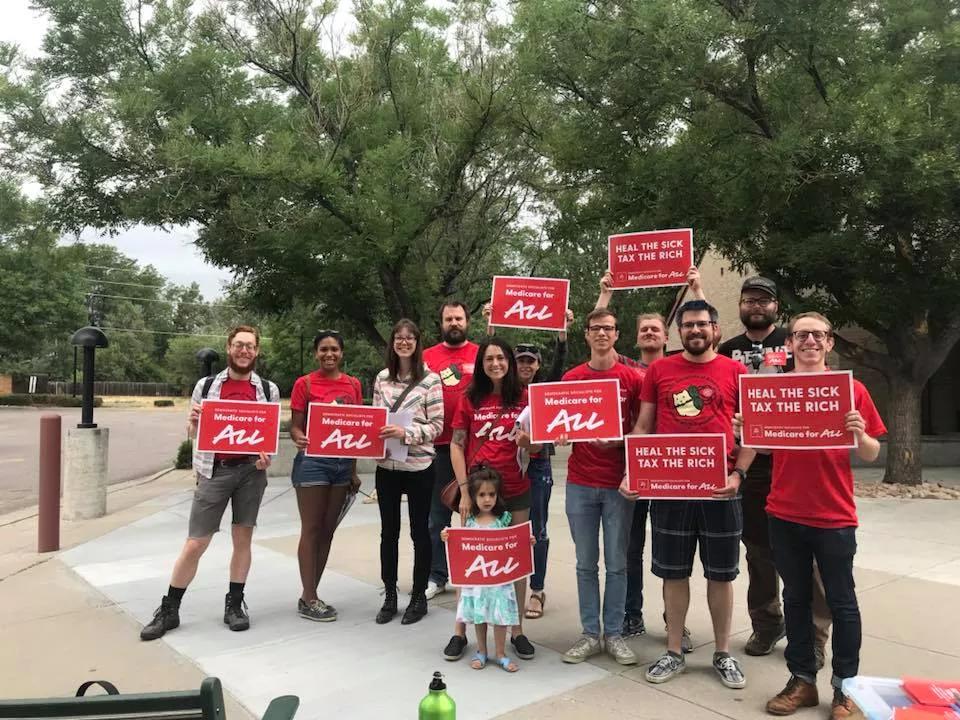
Energized by Alexandria Ocasio-Cortez’s primary win in New York, a surge of new members are flooding to Denver’s chapter of Democratic Socialists of America.
NARAL Pro-Choice America president Ilyse Hogue spoke to Westword about gubernatorial candidate Jared Polis and his Republican opponent, Walker Stapleton, who’s publicly pledged to protect the rights of the “born and unborn” but typically tries to skirt the subject.
Treasurer and gubernatorial candidate Walker Stapleton says he has a reason for not funding high priority construction and maintenance projects in the state, but he does an about-face almost as soon as he utters the words.
Glenn Morris, her uncle and a longtime AIM activist in Denver, reflects on her case.
The young activist who caught Denver’s attention with his 2017 school board run says he needs to take time to focus on school and family, but that he’s thinking of running for school board again.
The man behind Denver FUGLY and Denver Cruiser Ride is known as an elaborate prankster, but this year, he is trying to run as a first-time candidate for RTD’s board of directors.
Jon Caldara’s federal lawsuit against Boulder’s new assault weapons ban isn’t the only attempt to shoot down the ordinance. A new complaint filed by the Colorado State Shooting Association (CSSA), among others, and backed by the National Rifle Association takes aim at state court in an attempt to double the prospects of the ordinance being killed.
Towering political figure Dennis Gallagher is being called out of retirement to help mend his legacy and save the state’s future.
On July 10, in a five-to-one vote, the Landmark Preservation Commission rejected the design plans for the St. Andrew’s tiny home village.
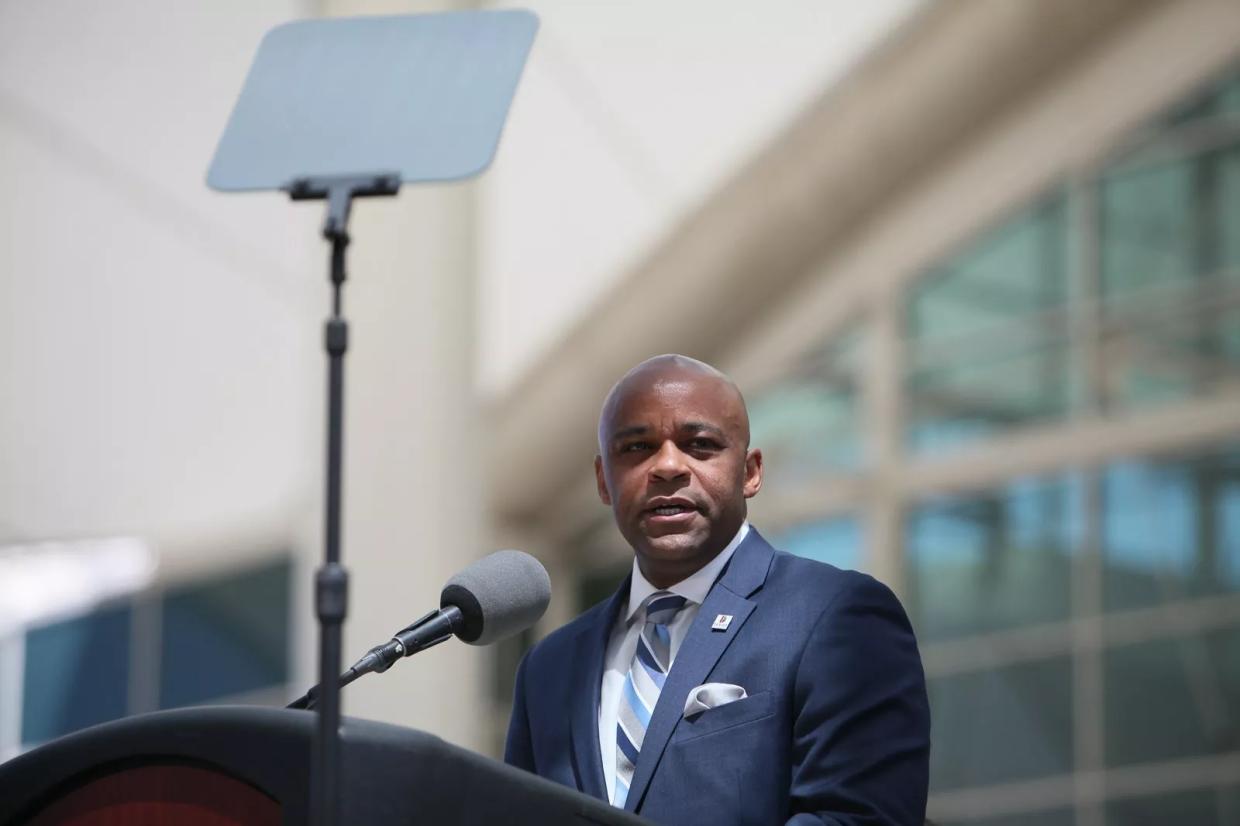
More than an exercise in public speaking, the State of the City gave the mayor the chance to wax eloquent about his administration’s accomplishments over the last seven years and introduce new initiatives.
Color labeling has brought Famous Dave’s directly into racial bias controversy with black church in Aurora.
Democrat Jena Griswold is challenging incumbent Wayne Williams for the secretary of state position, which controls elections in Colorado.
Araceli Velasquez is one of four Colorado women in sanctuary, taking refuge in a church to avoid deportation. Together, they have drafted the People’s Resolution, which they hope to present to Colorado legislators in August.
The state Democratic party isn’t just focusing its attention on the battle between Jared Polis and Walker Stapleton for governor. The Republican-controlled Senate is up for grabs, too.
Local nonprofit Casa de Paz saw a surge in attendees at its recent training to teach Coloradans how to help undocumented immigrants once they’ve gotten to the Aurora detention facility.