
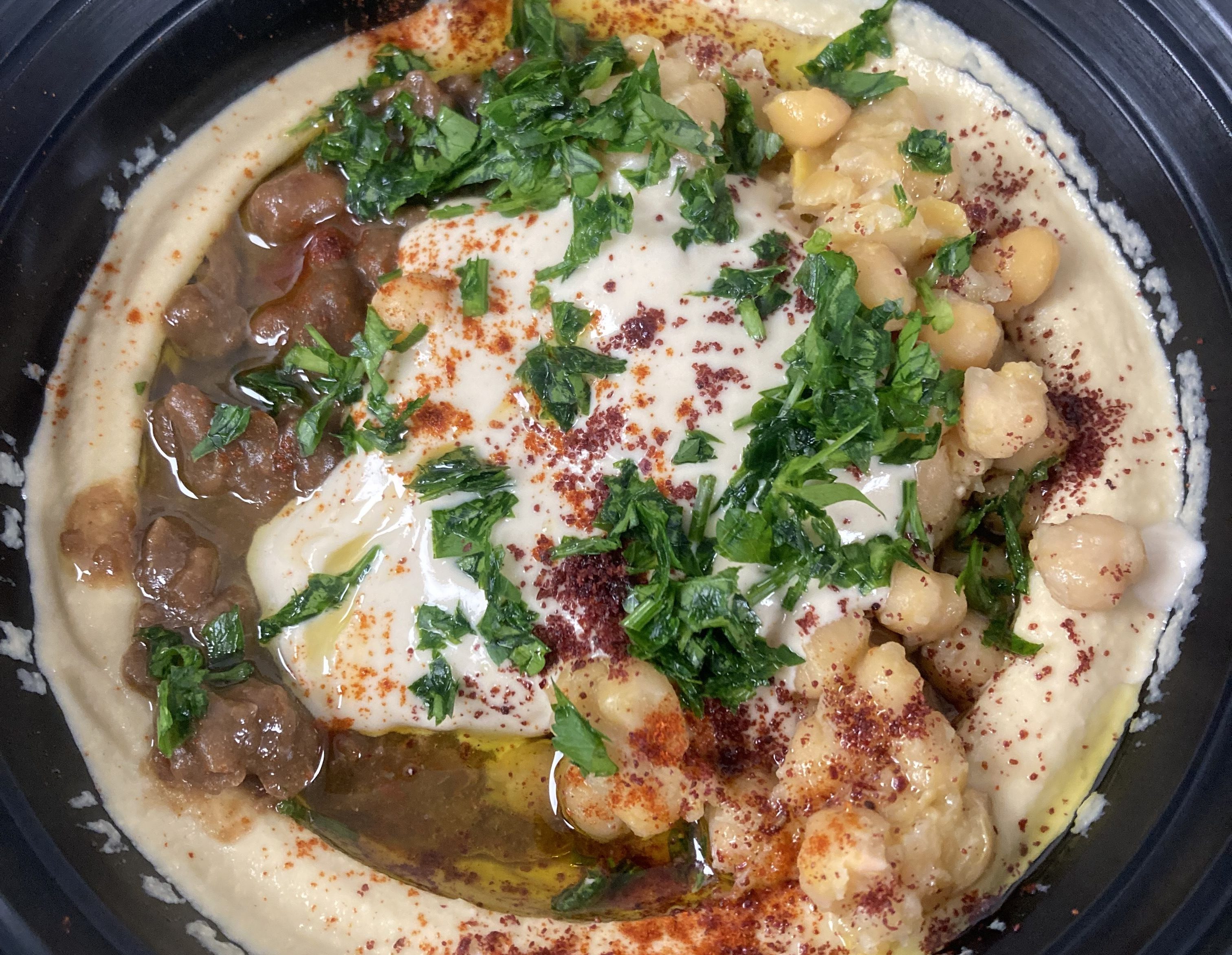
Courtesy of Hummus Capara

Audio By Carbonatix
Keep Westword Free
We’re $1,500 away from our spring campaign goal!
We’re aiming to raise $20,000. Your support ensures Westword can continue watching out for you and our community. No paywall. Always accessible. Daily online and weekly in print.
Foodies like to throw around words like “obsession” when discussing their favorite dishes. But few will fly into a literal war zone to follow that obsession, as Brady Weinstein did.
Last May, the founder and sole operator of Hummus Capara, a local cult favorite, scheduled the latest of his semi-regular research trips to the Middle East — he calls them “hummus quests” — at a time that happened to coincide with Israel’s military surge in Gaza.
“I almost wasn’t able to get over because a rocket from Yemen hit the road to the airport in Tel Aviv,” he recalls. “My flight was canceled on the way back and I had to go to Dubai because, again, rockets. There were sirens going off the whole time. This was my first time there during war. And I was very hesitant to go.”
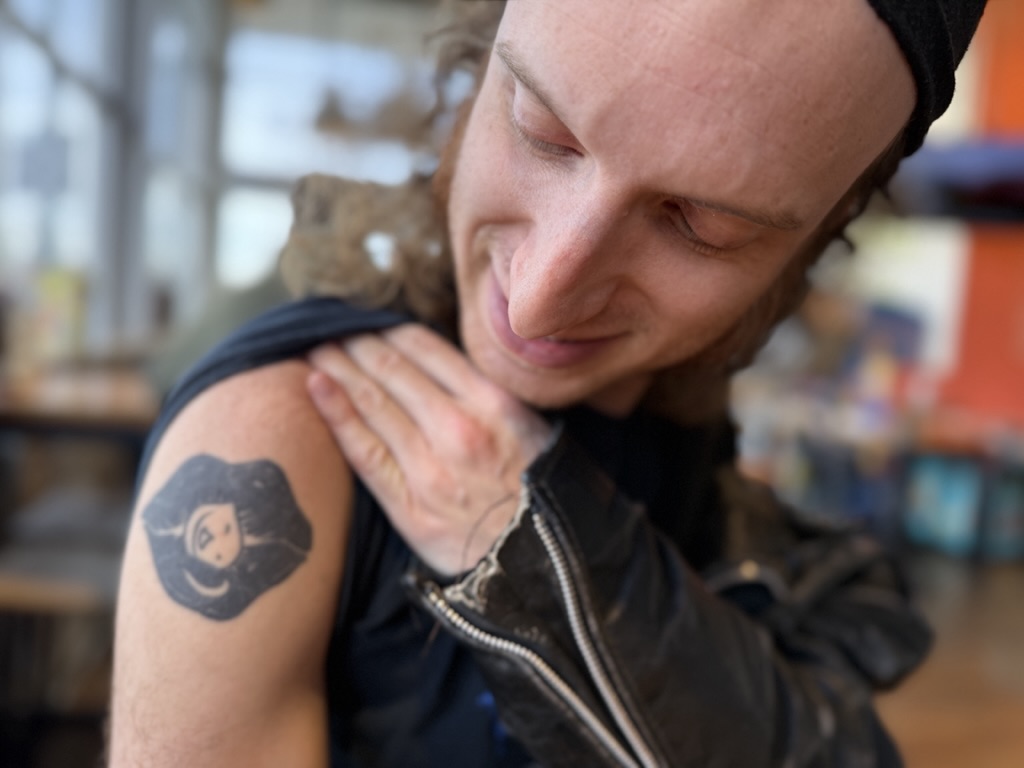
Antony Bruno
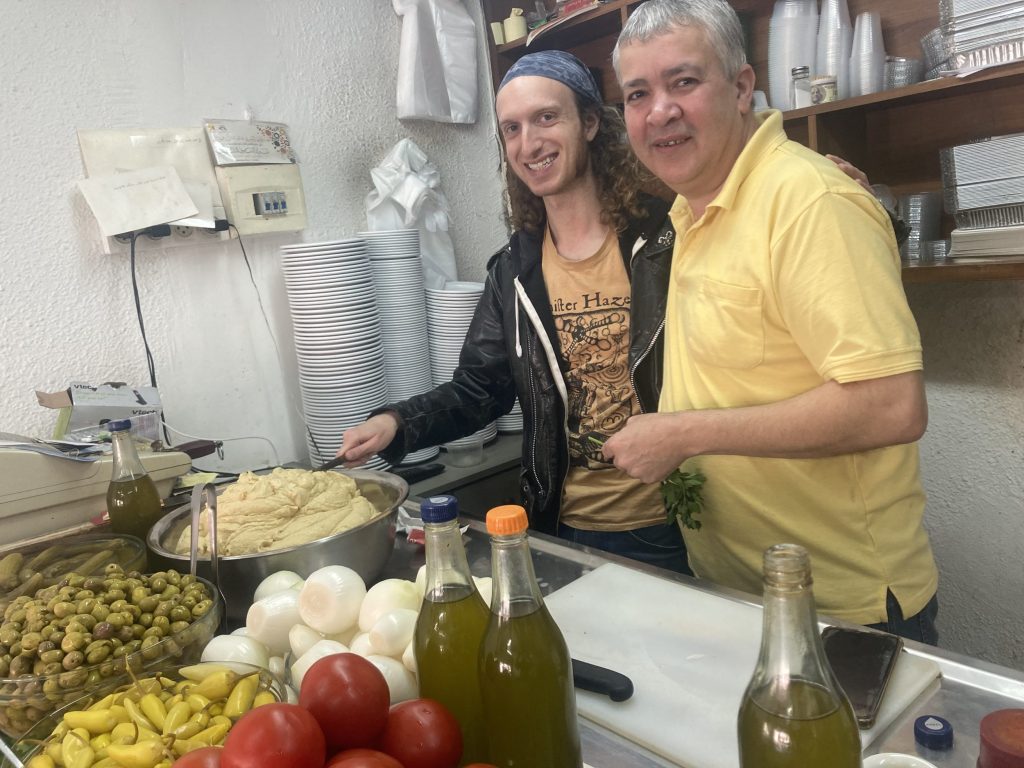
Yet even rocket fire couldn’t deter him from his mission of visiting with the Arab hummus makers in East Jerusalem and beyond, hoping to get inspiration as well as an education.
“I stuck out like a sore thumb,” Weinstein says. “They’re all like, ‘Who are you? Like, are you insane? You came over during war to do this?’ I said, ‘Yeah, man, I gotta keep my standards up. Like, this is the only way to check myself, to maintain my quality.’”
That’s dedication, and it’s all right there in the name of his product. Capara is a Hebrew term of affection that roughly translates to “I’d die for you.”
Courtesy of Hummus Capara
A Hummus Obsession Born in the Middle East
While there’s no shortage of quality hummus at Denver restaurants, finding it on store shelves is tough.
Weinstein’s obsession with hummus (which he pronounces as the traditional “hoo-mus”) began when he was sixteen and first tasted the dish at Jerusalem Restaurant near the University of Denver, which he was visiting on a college tour. He then fed that obsession in the hookah bars of his native Houston. And after a particularly nasty case of diverticulitis at eighteen, the fiber-rich hummus became a critical component of his post-recovery diet, which he followed when he moved officially to Denver for school.
But it wasn’t until his first trip to the Middle East in 2019 that Weinstein fell fully down the hummus rabbit hole.
“When I ate the hummus there, I mean, it’s just a night-and-day difference,” he says. “Over there, it’s really similar to the culture of ramen or sushi in Japan. It’s really very serious. Some of these places are just generations old. And so it blew my mind. It was like listening to music on YouTube and then experiencing vinyl for the first time.”
So profound was this experience that Weinstein set out to replicate it at home, researching technique and ingredients on the internet and scouring Middle Eastern markets in Aurora for supplies.
At first, he did it for his own consumption. Eventually, though, his efforts resulted in a product that friends and family encouraged him to sell. So when the pandemic hit, he spent his entire stimulus check on supplies and turned his small apartment into a hummus production facility.
But before he sold a single container, Weinstein sought the input and approval of the harshest critics he could find — immigrants from the same region that inspired him to start making hummus in the first place.
“Americans and friends and family just want to be supportive,” he explains. “But I’m just some dude from Texas, no Middle Eastern background. So if I wanted to find local Palestinian and Israeli approval.”
That endorsement came in 2020, when members of a Middle East immigrant Facebook group tried his hummus and “freaked out,” as Weinstein recalls. The rest is hummus history.
As word spread among hummus fans living in lockdown, Weinstein found himself selling his product not just locally, but shipping hummus to Los Angeles, Seattle, New York and more cities. Soon, boxes of chickpeas and tahini took over his small apartment, where he was creating upwards of 100 pounds of hummus a week through a very involved process.
Antony Bruno
Out of the Apartment and Into the Grocery Store
Making hummus in the traditional fashion is a time-consuming process. Dried chickpeas need to be picked through to remove any dirt or stones. They’re soaked overnight to fully hydrate, then cooked the next day until they reach a buttery consistency. Finally, the cooked chickpeas are blended with just the right ratio of tahini, olive oil and lemon (real lemons, not packaged juice).
Weinstein uses no recipes, and executes nearly every step by hand (save for a commercial-sized immersion blender). And for the hummus faithful, that care shows. But Weinstein isn’t content to preach to the choir. His goal is to convert those of us content to eat mass-produced, refrigerated chickpea paste to the real deal.
For a time, he augmented Hummus Capara’s shipping and in-person pickup business with popups at local breweries. That’s when the Denver health department got involved. Hummus, it turns out, is not covered under the Cottage Food Act — although Weinstein says he was initially told it was.
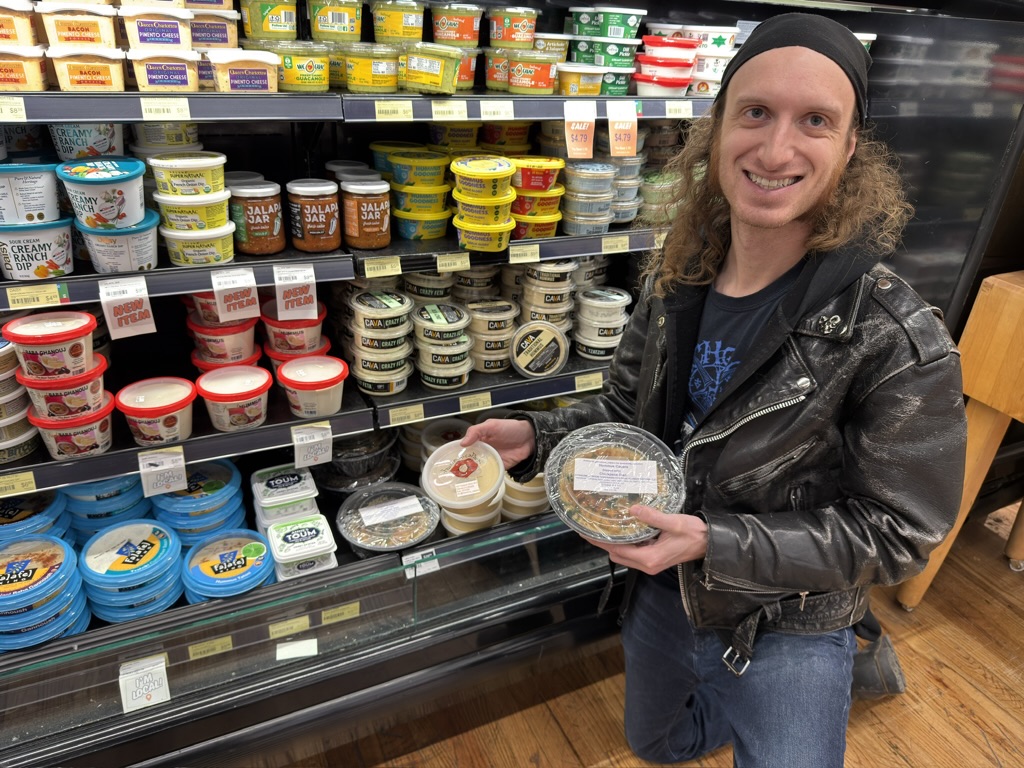
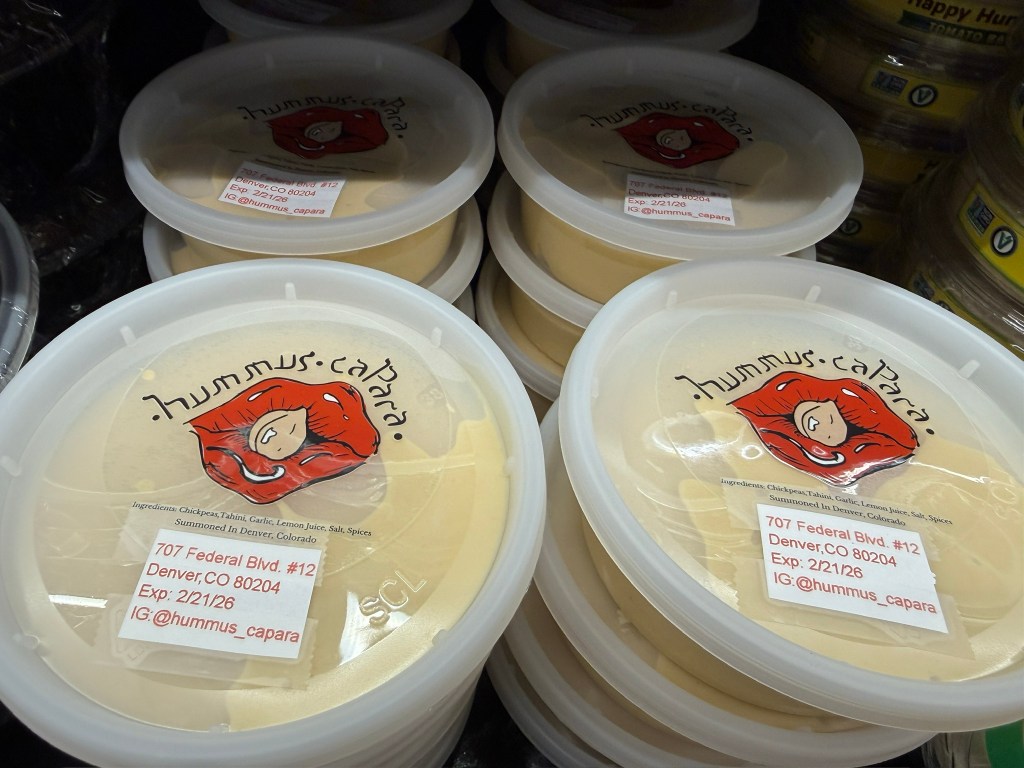
Today, Hummus Capara operates out of a 200-square-foot commercial kitchen space on Federal Boulevard. Weinstein is now focused less on selling warm hummus meals at popups and more on distributing his product at local food markets like Leevers Locavore, Sun Market and Pete’s Fruits & Vegetables.
Doing so is a bit of a tradeoff, but one Weinstein’s resigned to in order to compete with what he considers the sub-par hummus lining most supermarket shelves. Come spring, he can be found at the Harvey Park farmers’ market.
“What really put me on the map is people getting those meals warm, like the beans that go on top, they’re ladled warm, and it comes with pita and pickled vegetables,” Weinstein says. “But I need to make it more convenient for people to get it. I never wanted it to be on the shelf of the store, because I want people to eat fresh. I wish people would at least once come get it from me. It’s just a different experience.”
Antony Brun0
But Weinstein has no ambition to open a restaurant where people could definitely get that fresh hummus directly from him; terms like “scale” and “vertical integration” aren’t part of his vocabulary. His business model is simple: Get high, crank tunes, make hummus, repeat.
“It’s a seven-day-a-week thing,” he says. “If I have an agenda, it’s that I just want to get the hummus to the people. It’s a sacrifice, but I have a chance to do something I’m truly passionate about.”
For notifications and to preorder, sign up for the Hummus Capara email via the company’s Instagram page.